


Catalogazione Opere D Arte Software Programs
Clinics in Developmental Medicine No. 159 The Gross Motor Function Measure (GMFM) is the first evaluative measure of motor function designed for quantifying change in the gross motor abilities of children with cerebral palsy. The measure is widely used internationally, and is now the standard outcome assessment tool for clinical intervention in cerebral palsy. This new version (GMFM-66) is completely revised, largely new, and has been improved through Rasch analysis. GMFM-66 transforms the standard GMFM into an interval measure; provides an 'item map' of the relative difficulty among items; and includes a user-friendly, computer-assisted software program to aid in scoring and interpretation of GMFM data. This is included, with a printed scoresheet, on a CD-ROM enclosed in the book.
The expertise of the authors comprises paediatrics, design, engineering and physiotherapy. They have over years devised and run research at the CanChild Centre for Childhood Disability Research at McMaster University in Hamilton, Canada. OVERVIEW OF THE GROSS MOTOR FUNCTION MEASURE (GMFM). CONCEPTUAL BACKGROUND.
Effetti D'arte
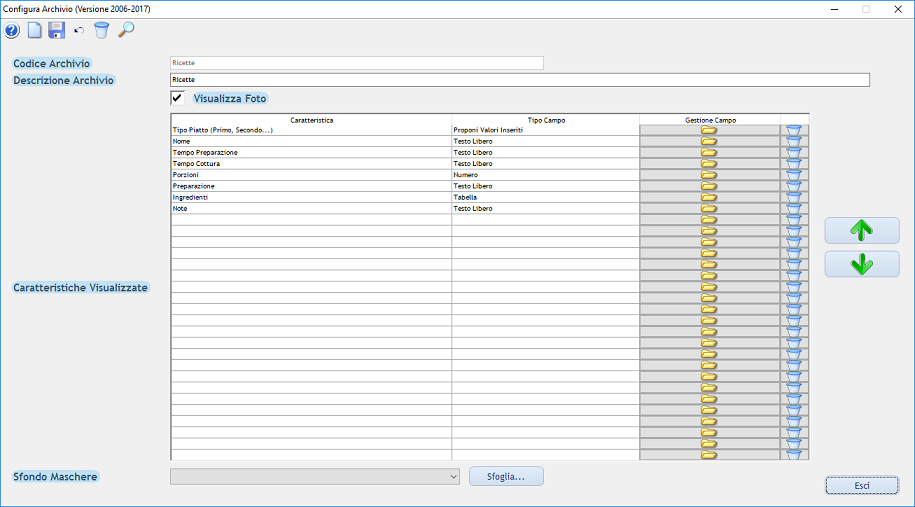
Catalogazione Opere D Arte Software Programs 2017

DEVELOPMENT AND VALIDATION OF THE GMFM-88. DEVELOPMENT AND VALIDATION OF THE GMFM-66. ADMINISTRATION AND SCORING GUIDELINES FOR THE GMFM-88 AND GMFM-66. INTERPRETATION AND USES OF THE GMFM-88 AND GMFM-66. NEW APPLICATIONS OF THE GMFM, CURRENT AND FUTURE.
GLOSSARY OF TERMS. Gross Motor Function Classification System (GMFCS) for cerebral palsy. Gross Motor Ability Estimator (GMAE) scoring program tutorial for the GMFM-66. Scoring the GMFM-88 and GMFM-66: Case scenario of Susie. GMFM-66 and GMFM-88 Cross-sectional and change scores.
Standard error of measurement. Methods of displaying item difficulty. Display of item difficulties using Thurstone Thresholds. Case scenario of Trevor. Case Scenarios of two children who misfit the GMFM-66 item difficulty model.
10 Great Things About Converting Traditional Learning Into Online LearningOn line learning has become a growing number of popular, and no one is immune to it. You are unknowingly exercising online learning whether you are searching for a way to fix your phone on Google, or have apa title page creator just received a WhatsApp text from your friend talking about some amazing fact.But, they are just indirect methods to use the internet for learning, but what about conventional learning? Can supplement that is eLearning also complement traditional learning methodologies within the offline model?Can you drop your idea of having a Digital advertising program from the ability training institute, if the exact same course is available on Coursera?